
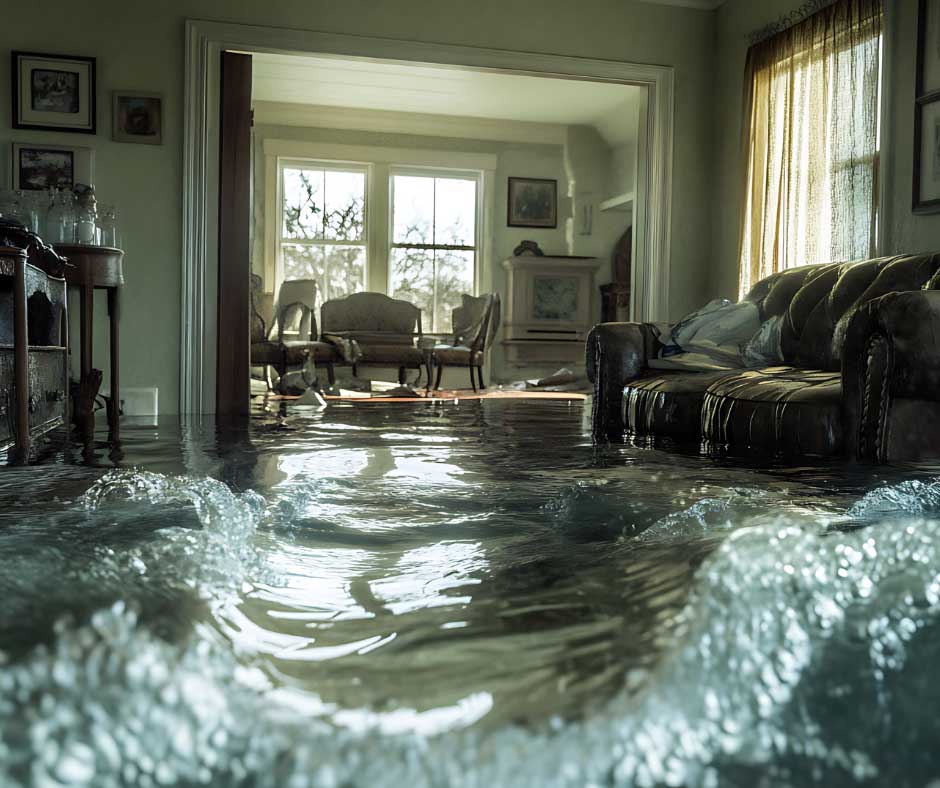
Water damage is the single most frequent and costly type of homeowners insurance claim in the United States. While your policy is designed to protect you from financial catastrophe, understanding the typical claim cost and proactively taking steps to minimize out-of-pocket expenses is a hallmark of responsible homeownership.
As your independent insurance agent, my goal is to help you move beyond reactive claim filing and adopt a proactive stance on risk mitigation.
Understanding the Average Water Damage Claim
The cost of water damage varies widely based on the cause (burst pipe vs. slow leak), the type of water (clean vs. sewage), and the extent of the loss (a small ceiling spot vs. a flooded basement).
Based on recent industry data, the average insurance payout for a residential water damage claim typically falls between $7,000 and $12,500.
Key Factors Driving Up Costs:
- Severity: Severe damage, often classified as Class 4, can push restoration costs well into the tens of thousands of dollars.
- Contamination: If the water is Black Water (sewage backup or rising floodwater), specialized sanitization is required, often doubling the cost compared to Clean Water (a broken supply line).
- Mold Risk: If water is allowed to sit for more than 48 hours, the cost of remediation increases substantially due to the added requirement of mold cleanup.
The higher the claim amount, the more complex the process, and the greater the potential impact on your future premiums and insurability.
Minimizing Your Out-of-Pocket Expenses
Your out-of-pocket expense in a claim scenario primarily consists of your policy deductible. However, there are strategic ways to reduce your total financial exposure, both before and after a loss event.
Policy Review and Deductible Management (Pre-Loss)
The simplest way to control your claim cost is to manage your policy effectively.
- Select the Right Deductible: We should regularly review your deductible. A higher deductible will lower your premium, but you must have the amount readily available to cover the initial expense. Choose the highest amount you can comfortably pay without financial distress.
- Opt for Replacement Cost Value (RCV): If your policy only pays Actual Cash Value (ACV), the payout is reduced by depreciation, leaving you with a much larger out-of-pocket gap to purchase new items. RCV coverage, while costing slightly more in premium, pays the cost to replace new items, drastically reducing your direct expense.
- Purchase Critical Endorsements: The Sewer and Water Backup endorsement is low-cost but critical. Without it, a basement backup loss would leave you responsible for 100% of the cost, which is a significant, unplanned out-of-pocket expense.
Aggressive Prevention and Maintenance (Pre-Loss)
Preventing the loss is the most effective way to eliminate out-of-pocket claim costs entirely.
| Action | Impact on Claim Cost |
| Install Water Leak Detectors | Early alert prevents small leaks from becoming major catastrophes. Stops the escalation of damage. |
| Inspect Appliance Hoses | Replacing old, brittle washing machine and dishwasher hoses (typically every 5-7 years) eliminates a common source of sudden failure. |
| Maintain Plumbing Systems | Upgrade old galvanized or polybutylene pipes and test shut-off valves annually. Proactive maintenance prevents “gradual damage” exclusions. |
| Clean Gutters/Downspouts | Prevents water from pooling near the foundation, mitigating basement seepage that standard policies often exclude. |
Swift Action and Mitigation (Post-Loss)
Once water damage occurs, your actions immediately following the incident determine the total claim cost.
- Shut Off the Water Immediately: Locating and quickly turning off the main water valve prevents extensive structural saturation, drastically limiting the damage (and therefore, the claim cost).
- Act Fast on Cleanup: Your policy requires you to take reasonable steps to prevent further damage. This includes promptly hiring a professional restoration service to extract water and begin drying. Rapid response prevents costly mold growth, which is often subject to lower sub-limits or difficult claim disputes.
- Document and Report Quickly: Document the damage thoroughly with photos and video before starting repairs. Report the incident to our agency right away. Delays can compromise coverage and lead to greater financial liability for the homeowner.
By managing your policy details and adopting preventative measures, you may minimize the chance of a severe loss and control the amount you pay when an event does happen.
Are you ready to review your deductibles and check for all applicable water damage endorsements? Contact us to schedule a policy review.